
How a carton gets sealed
Keep scrolling and the carton moves. Six stations, left to right, the way the machine runs.
Parts marked Illustrative are reconstructed for explanation; the supplied footage further down shows the real sequence.

Tap to take control
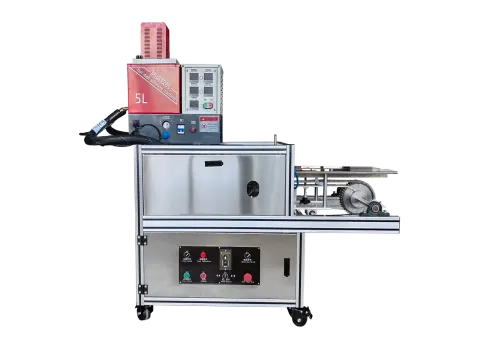
CK-E020-1 spray-glue carton sealer
Turn it, look through the panels, open it up, push a carton through. Then tell us about yours.
The sealer body with its separate hot-melt unit on top. Drag to turn it; tap a part to name it.
Machine size
2,945 × 700 × 1,160 mm
sealer body, L × W × H
Weight
300 kg
approximate
Power supply
220 V
50 Hz
Installed power
3.06 + 2.0 kW
sealer + glue unit
Prepared answers from the catalogue and the factory footage. Your carton, price and safety questions go to a person.
Swipe sideways to turn the machine, tap a part to name it. Vertical swipes scroll the page.
Keep scrolling and the carton moves. Six stations, left to right, the way the machine runs.
Parts marked Illustrative are reconstructed for explanation; the supplied footage further down shows the real sequence.
The operator places a carton between the feed rails. A pusher on the chain takes it from behind. Illustrative
Guides fold the upper end flaps as the carton moves past. Illustrative
A photo sensor sees the carton arrive and a spray gun on each side applies hot-melt to the flaps. The adhesive comes from the separate glue unit through heated hoses. Illustrative positions
The lower flaps fold up over the glued ones. Illustrative
Plates hold the closed flaps while the adhesive sets. The supplied footage shows this pressing step. Plate layout: Illustrative
The sealed carton leaves on the outfeed chute.
Not shown: a filled carton, the glue being discharged, or a bond-strength test. Those questions need your actual carton. Four recorded moments on the CK-E020-1 page
Covers and the glue unit lift away. Two pieces stand on your floor: the sealer body and the glue unit.
Catalogue values for planning (CK-E020-1 parameter sheet). Confirm the final layout and utilities, and request installation, training, cleaning, safe-shutdown and wear-parts instructions. Warranty and service responsibility need written agreement. The 2025 summary lists a different 1,800 mm height; confirm the full installed envelope from the current layout.
Three questions, in order. The bars are the catalogue carton ranges of three semi-automatic configurations, drawn to the same millimetre scale.
Illustrations show carton types. Confirm machine fit with your actual carton and process.
Catalogue values in catalogue order, not measured. All three are semi-automatic; choose with your carton sample, operator steps and required output in view. View all machines
The questions buyers ask before shortlisting. Each answer turns the machine above to the part it is about.
The CK-E020-1 catalogue range is 100–300 × 60–200 × 30–90 mm, in catalogue order. Treat it as a screen: confirm dimension axes, feed direction and flap layout against your actual carton.
Source: CK-E020-1 catalogue sheet. Show on the machine
40–70 cartons/min is the nominal catalogue range, not a measured rate. Stable output depends on carton handling, material, adhesive, loading and the agreed sample trial. The chain speed in the model is an animation, not a production rate.
Source: CK-E020-1 catalogue sheet. Show on the machine
It is a semi-automatic spray-glue configuration. A pusher carries the carton through; spray guns apply hot-melt to the end flaps, guides fold them and plates hold them closed. In the model the guide sequence, gun positions and plates are illustrative. The supplied footage shows loading, conveying and pressing of an empty carton.
Source: CK-E020-1 product data and supplied footage; mechanism detail illustrative. Show on the machine
It is a separate unit: 2.0 kW, approx. 0.5 MPa compressed air, a sealing temperature of 180–200 °C and a 7 kg glue tank, with PID temperature control and automatic heat retention. Include its 460 × 310 × 640 mm footprint in your layout.
Source: CK-E020-1 parameter sheet. Show on the machine
The six model sheets list 220 V · 50 Hz; power and air requirements vary. E020-1 lists approximately 0.5 MPa for its separate glue unit; E020 lists no plant air requirement. Confirm the final layout and utilities, and request installation, training, cleaning, safe-shutdown and wear-parts instructions. Warranty and service responsibility need written agreement.
Source: model sheets. Compare utilities and support
Start with the dieline, board and coating, glue seam, dimensions and feed direction. The CK-E020-1 video shows a flat, empty carton being processed; it does not establish suitability after filling. Food, medicine and other filled-carton uses need their own review.
The CK-E020-1 demonstration starts with a flat, empty carton. Filled-carton sealing needs a separate review of the product, flap sequence and line interfaces.
Source: supplied footage. Ask for a filled-carton review
These six carton-sealer configurations are semi-automatic. In the CK-E020-1 demonstration, an operator loads an empty carton and handles the result. Confirm preparation, loading, collection, inspection and staffing for your own process; a labour saving is not established by the video.
Compare the current adhesive seam, loading and discharge, conveyor heights, available space and utilities. Record the problem you want to solve and agree a sample test. Similar dimensions or a higher catalogue speed do not establish drop-in compatibility.
Check the new carton dimensions, feed direction, flap layout and glue seam against the selected model. Request its adjustment method and demonstrate the changeover using both samples. The available evidence does not establish a universal changeover time or tool-free adjustment.
Prepare open and closed carton photos, the dieline, dimensions with axes and feed direction, board/coating details and the intended glue seam. Include the empty or filled state, target output and a short clip of the current process. Agree sample quantity and acceptance criteria with the supplier.
Coating changes how hot-melt bonds. Coated or varnished board can need an adhesive suited to it; raising the temperature is not the default fix. Send the actual carton and its coating details so the adhesive and settings can be agreed in a sample test.
Source: equipment troubleshooting documentation. Send a coated carton
Prices and lead times are not published on this site. They depend on the configuration and your carton, and are quoted for a specific order.
No certification is stated on this site. Ask for the documents your market requires and check them against the specific order.
Heated hoses, the glue unit and electrical parts are work for trained service staff following the equipment maker's procedure, with the machine isolated and cooled. We do not give repair steps here. Tell us what you see and we will reply.
Send the size you tried above, or the carton on your line. We review it against the configuration and reply by email.
You can send photos or a dieline by email after submitting.

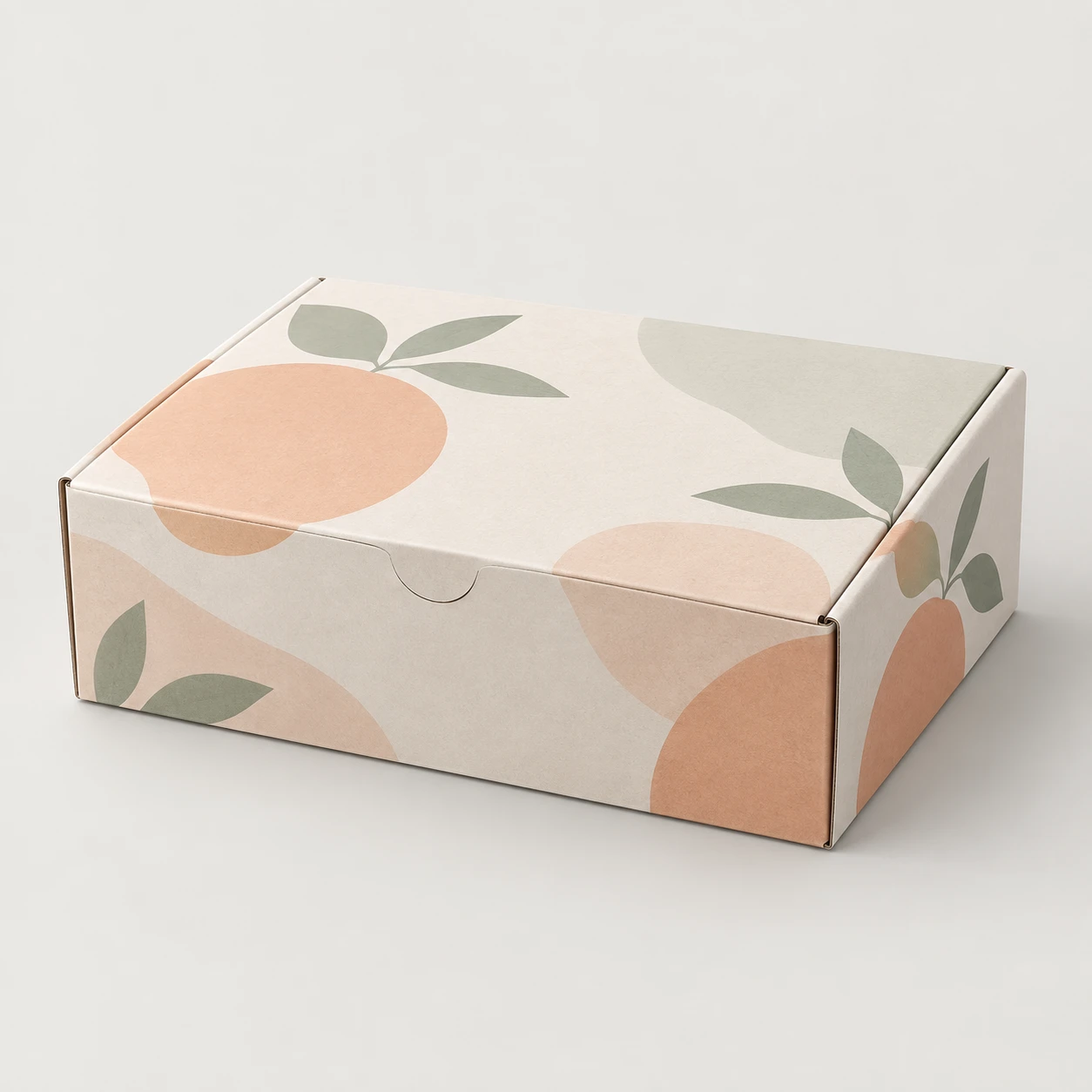
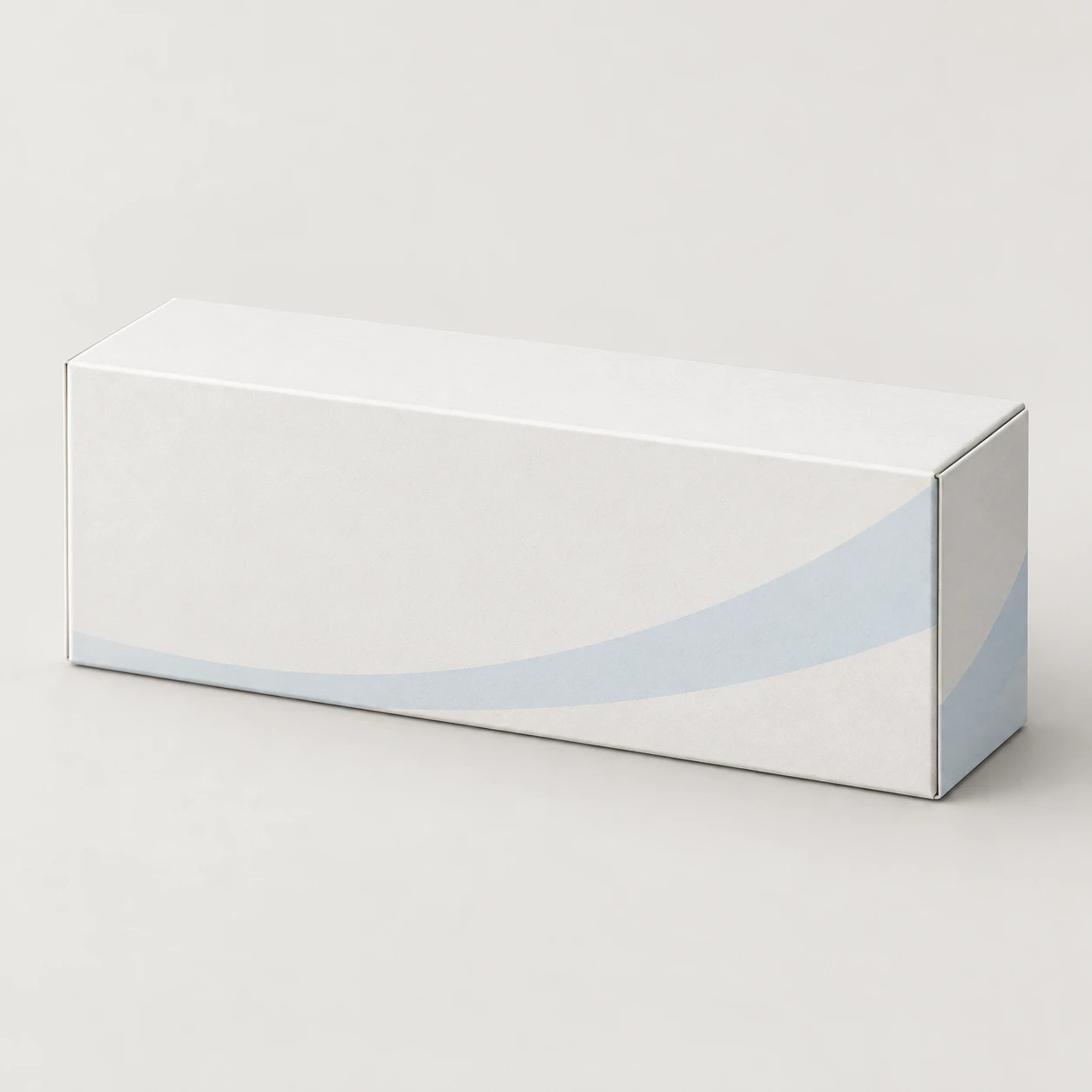
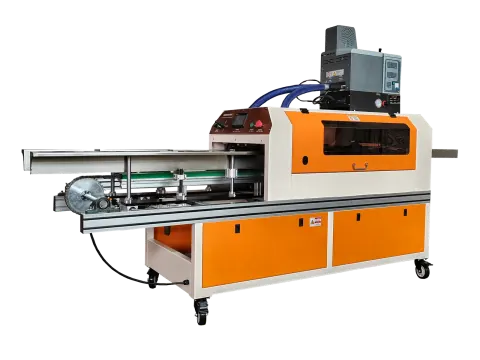 CK-E020-1
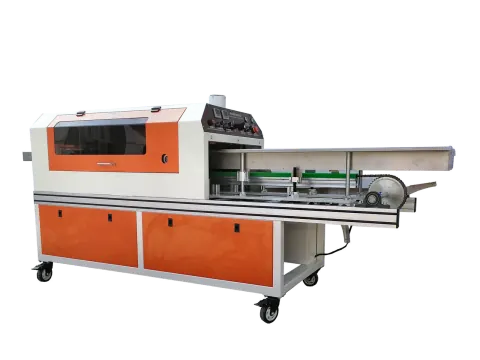 CK-E020
 CK-E025-1