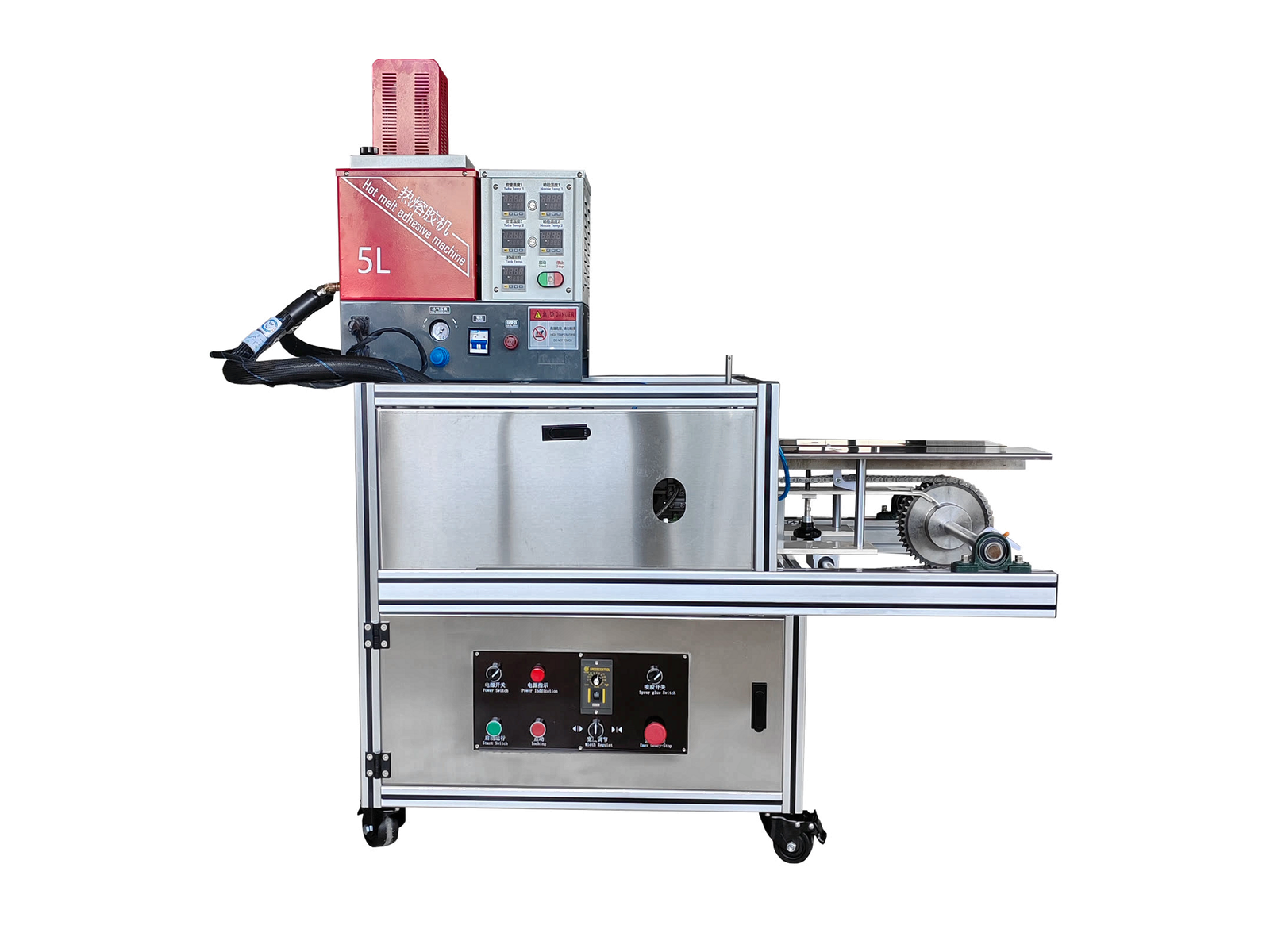
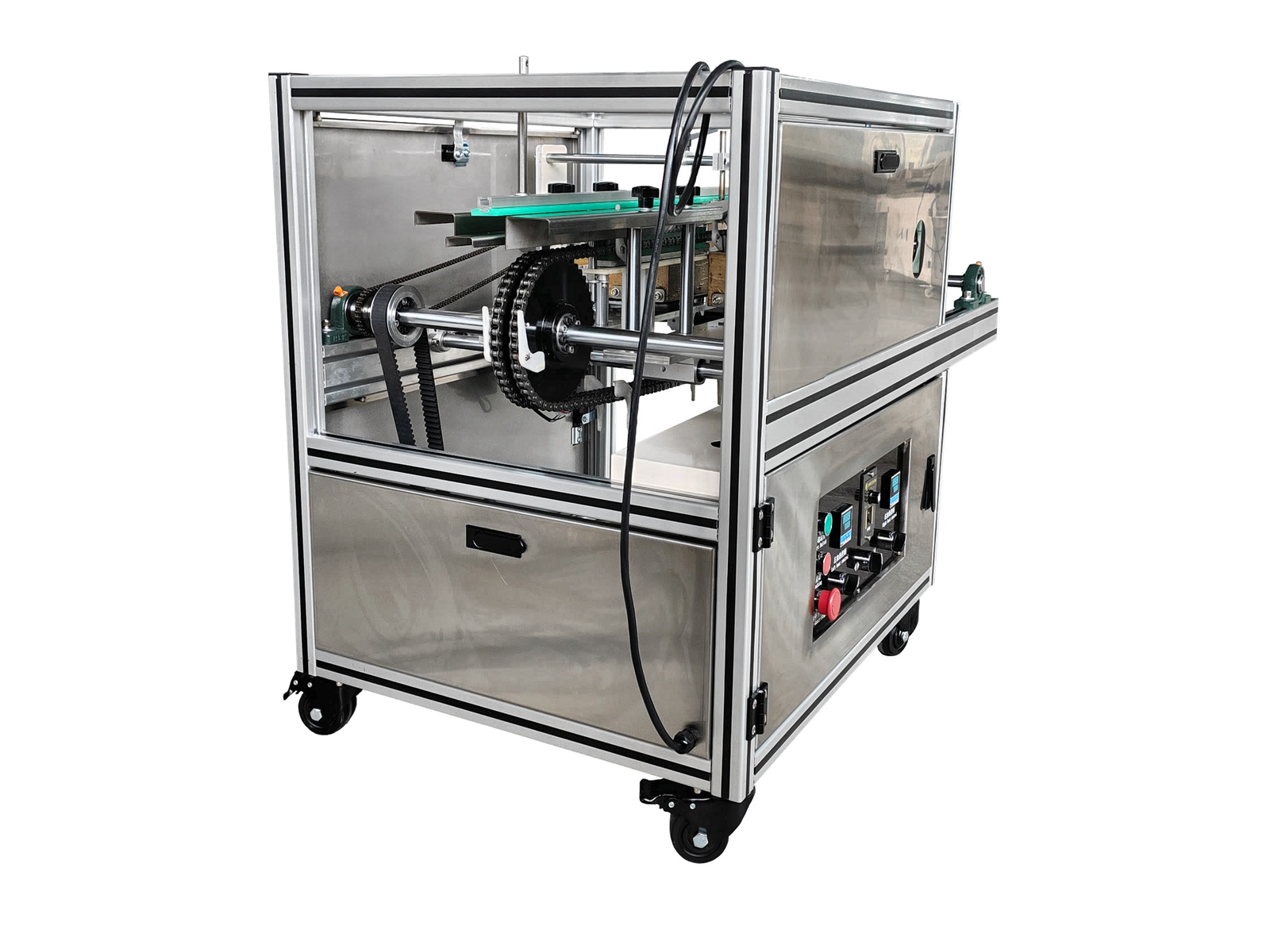
Choose by your carton.
Then your process.

Compare six hot-melt spray and roller-glue configurations for retail-carton projects. Check the seam and carton state before selecting a machine.

Will your carton
follow this path?

Carton sealing, shipping-case taping and window patching are different tasks. Use the dieline and glue seam to identify the actual operation.

  1. 01

    Start with the actual carton

    Open and closed photos, a dieline, board/coating, glue seam and dimensions with feed direction marked.

  2. 02

    Place it in your process

    Does the carton enter empty or filled? Show the flap sequence, operator handoff and the step you want the machine to perform.

  3. 03

    Compare the configuration

    Check the glue system, utilities and layout. Define a sample trial and stable-output target before deciding on the machine.

Spray glue
or roller glue?

The glue method changes the equipment and utility checks. A sample is still needed to establish the right seam, adhesive and finish for your carton.

Models ending in -1

Spray-glue configurations

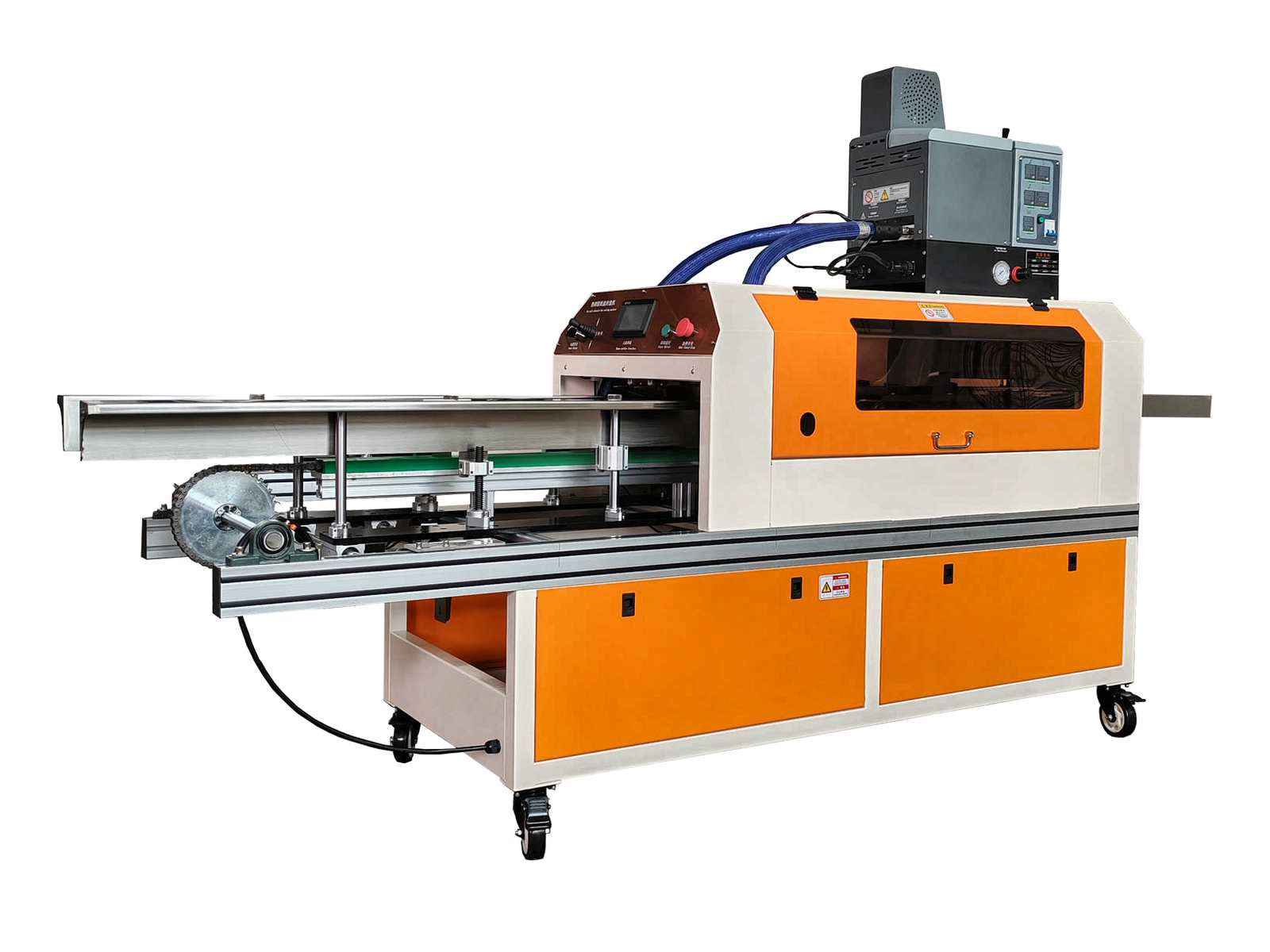
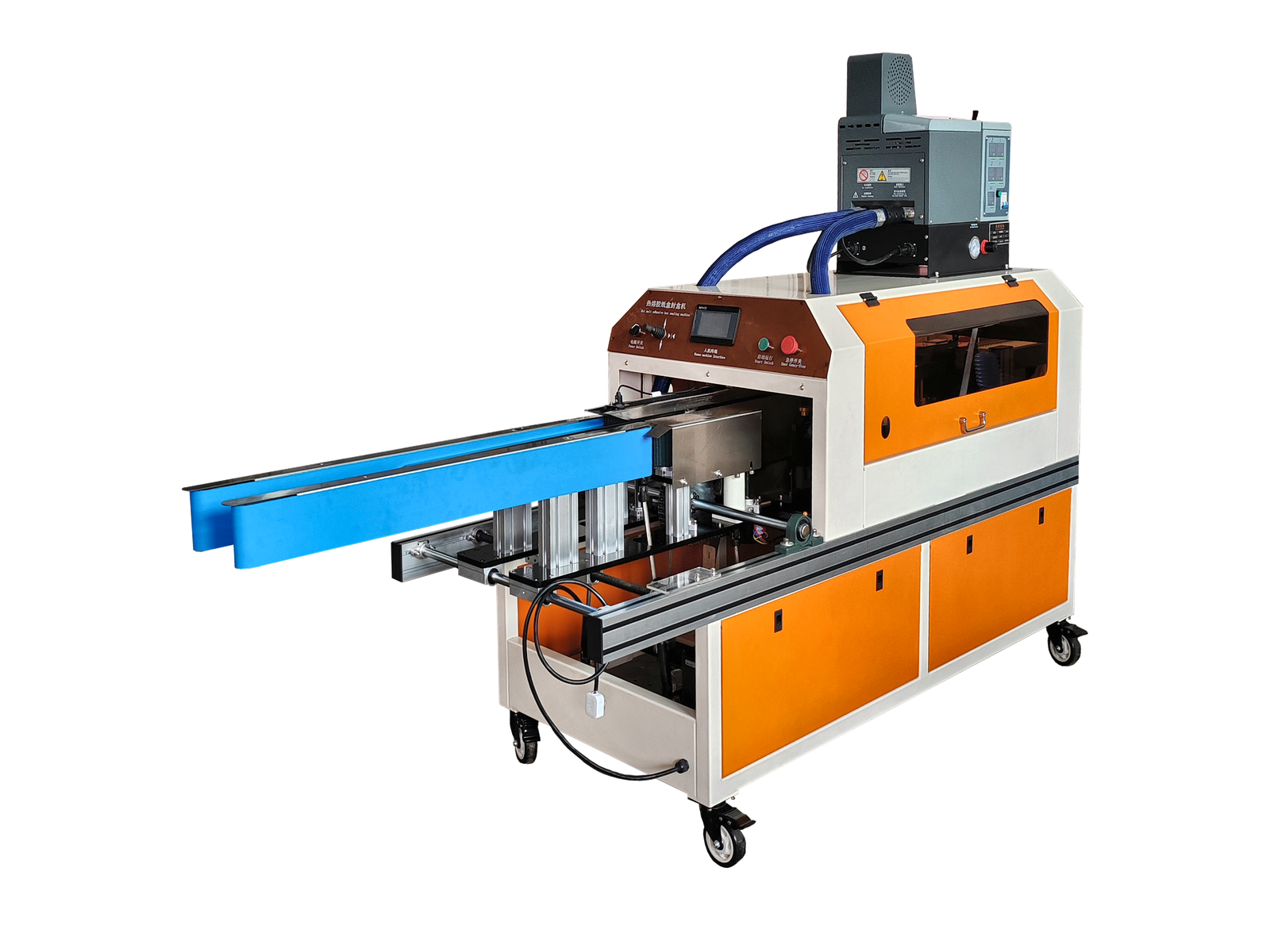
E020-1 and E022-1 list separate 7 kg hot-melt units and approximately 0.5 MPa air for the glue unit. Allow for both units when reviewing the layout.

E025-1 is a compact spray option; its glue-unit air requirement must be confirmed for the selected configuration.

E020 / E022 / E025

Roller-glue configurations

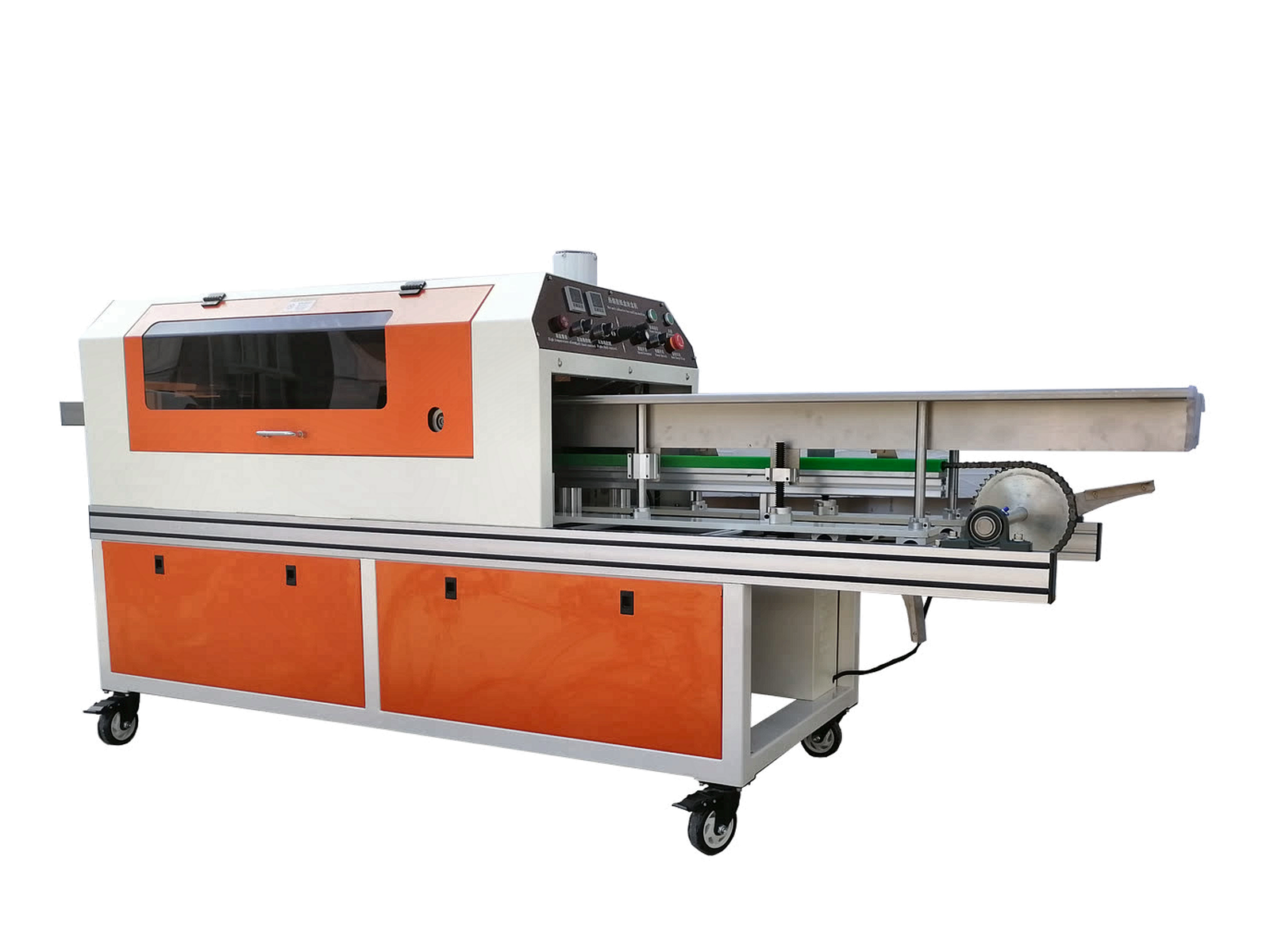
The catalogue lists no plant air requirement for these roller-glue configurations. E020 and E022 list integrated 1.5 kg glue tanks.

Compare roller access to your glue seam, changeover and cleaning instructions; do not treat the utility difference as a universal quality advantage.

Six carton configurations

Compare the carton range, then the machine.

Catalogue dimensions are listed in catalogue order. Confirm axes, feed direction, flap layout and carton state with a sample review. Nominal output is not a guaranteed stable production rate; source conflicts are noted on each product page.

Read the full six-model specification table
All six catalogue configurations
ModelGlue systemCarton rangeNominal outputAirPowerMachine dimensions
CK-E020-1Spray glue100–300 × 60–200 × 30–90 mm40–70 cartons/min · nominalApprox. 0.5 MPa for the glue unit3.06 kW cartoner + 2.0 kW glue unitSealer body: 2,945 × 700 × 1,160 mm; separate glue unit: 460 × 310 × 640 mm
CK-E020Roller glue110–290 × 60–200 × 30–90 mm40–70 cartons/min · nominalNo plant air required3.46 kW2,945 × 700 × 1,160 mm
CK-E022-1Spray glue100–300 × 80–250 × 30–90 mm60–90 cartons/min · nominalApprox. 0.5 MPa for the glue unit3.8 kW cartoner + 2.0 kW glue unitSealer body: 3,190 × 700 × 1,075 mm; separate glue unit: 460 × 310 × 640 mm
CK-E022Roller glue110–290 × 80–200 × 30–90 mm60–90 cartons/min · nominalNo plant air required for the roller-glue configuration4.5 kW3,190 × 700 × 1,160 mm
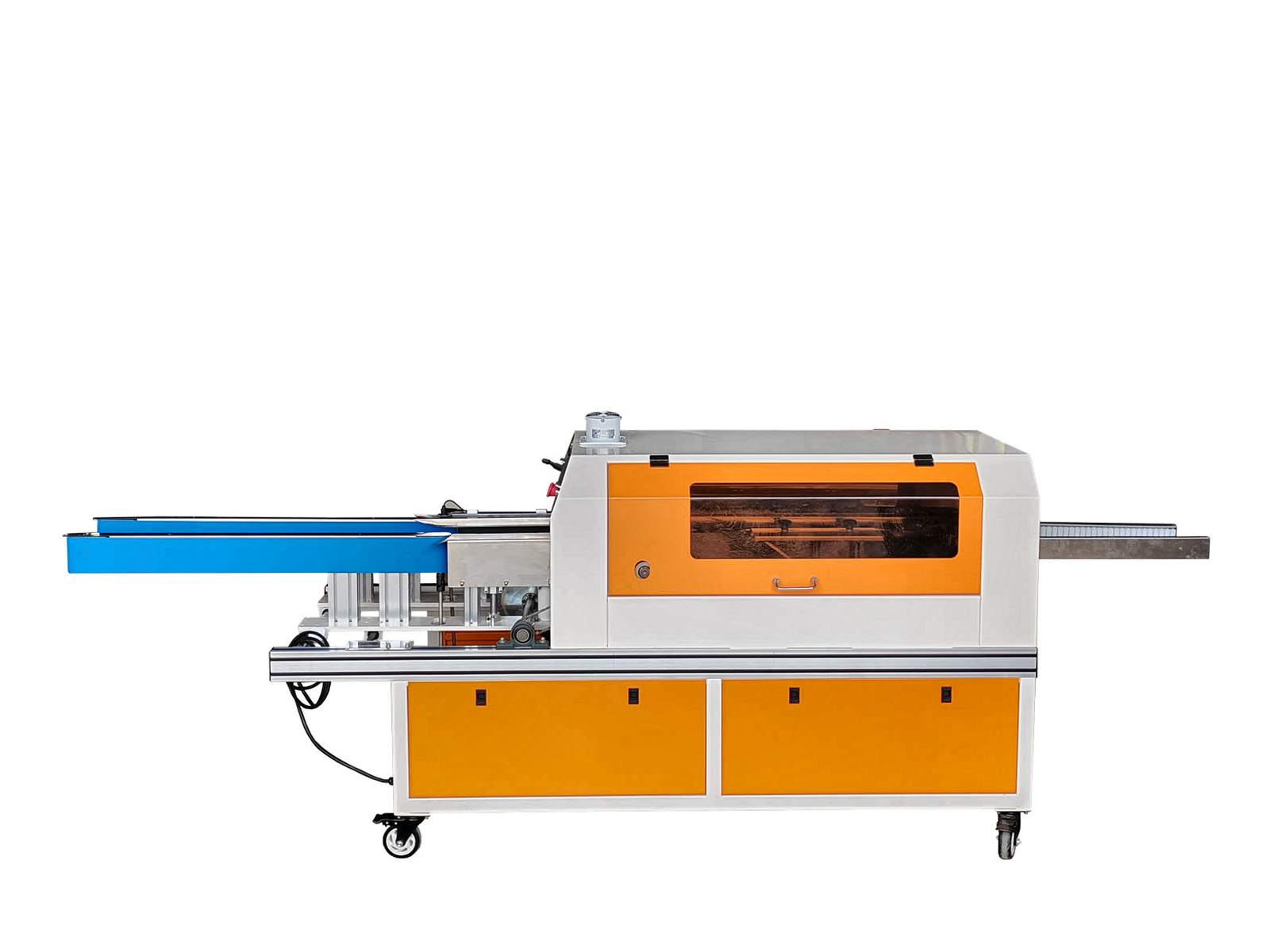
CK-E025-1Spray glue100–250 × 30–150 × 20–50 mm30–60 cartons/min · nominalConfirm glue-unit air requirement with configuration3.3 kW1,670 × 700 × 1,500 mm
CK-E025Roller glue100–250 × 30–150 × 20–50 mm30–50 cartons/min · nominalNo plant air required for the roller-glue configuration3.3 kW1,670 × 700 × 875 mm

Read the individual model page for the applicable source note and configuration limits before choosing a machine.

Replace / upgrade existing equipment

Compare with
the line you have.

A different glue system or higher catalogue speed is not proof of a better fit. Define what needs to improve and what must stay compatible.

  1. 01

    Keep the current carton in view

    Record the dieline, dimensions, material, filling point and seam. Show a short clip of the current loading and discharge.

  2. 02

    Check every handoff

    Record infeed/outfeed orientation, conveyor heights, available space, power, air and any required control interfaces. Confirm integration before ordering.

  3. 03

    Define the improvement to test

    Describe the present issue: seal consistency, stoppages, format adjustment or output. Agree a sample test and acceptance criteria, rather than assuming drop-in replacement.

From hand gluing to a machine

Plan the operator's
part of the cycle.

All six listed configurations are semi-automatic. An equipment choice alone does not establish staffing or labour savings.

See manual loading on CK-E020-1 →
  1. 01

    Separate the work into steps

    List carton preparation, loading, gluing/pressing, collection and inspection. Identify exactly which step is proposed for the machine.

  2. 02

    Observe loading and collection

    The CK-E020-1 footage shows manual flat, empty-carton loading and handling of the result. Confirm the operator tasks and loading rhythm on your chosen configuration.

  3. 03

    Plan setup and daily use

    Request changeover, adhesive warm-up, cleaning and safe-shutdown instructions. Check operator access and actual-sample output before deciding.

Space, utilities
and support.

The six model sheets list 220 V · 50 Hz. Air and installed power vary by configuration; use the individual model page. E020-1 and E022-1 distinguish sealer-body dimensions from their separate glue units, with overall installed height still needing confirmation.

Before ordering, request the final layout, electrical/air specification, changeover method, cleaning procedure and wear-parts list. Agree installation, training, warranty and service responsibility in writing. These terms are not confirmed by this catalogue.

Review sample and layout checkpoints →

Shortlisting questions.

Is this the same as a tape case sealer?

These six configurations use hot-melt spray or roller glue for a defined carton process. If your task is taping a corrugated shipping case, window patching or producing carton blanks, describe that task separately; the product name alone does not establish a match.

Can I replace my existing carton sealer with one of these models?

Start with the current carton, adhesive seam, infeed/outfeed layout, utilities and the problem you want to solve. Compare the proposed configuration and agree a sample trial. No drop-in compatibility is implied.

What manual work remains with a semi-automatic carton sealer?

In the CK-E020-1 footage, an operator loads a flat, empty carton and later handles and inspects it. Loading, collection, changeover and staffing for your process must be established with the selected model; no labour saving is promised.

Does the CK-E020-1 video show tissue-filled cartons being sealed?

No. The supplied video begins with a flat, empty carton and shows conveying, pressing and a formed carton. Sealing after tissue filling requires a separate fit check.

Are the catalogue speeds guaranteed?

No. Stable output depends on the carton, adhesive, loading rhythm and line interfaces. The actual trial and acceptance criteria must define the required output.

Prepare your inquiry.

Record your carton and line requirements. Prepare a plain-text draft to keep or share with your chosen supplier.

Keep carton photos, a dieline, or a short line video with your draft for a future supplier review. File upload is not available here.

Online inquiry receiving is not available on this page. You can prepare a draft to keep, copy, download, or send from your email app.

If not measured yet, write Not measured; confirm before selection.
For filling or packing lines. Other and Not sure are valid choices.

Fill in the details to prepare a draft. Nothing is sent from this form.